
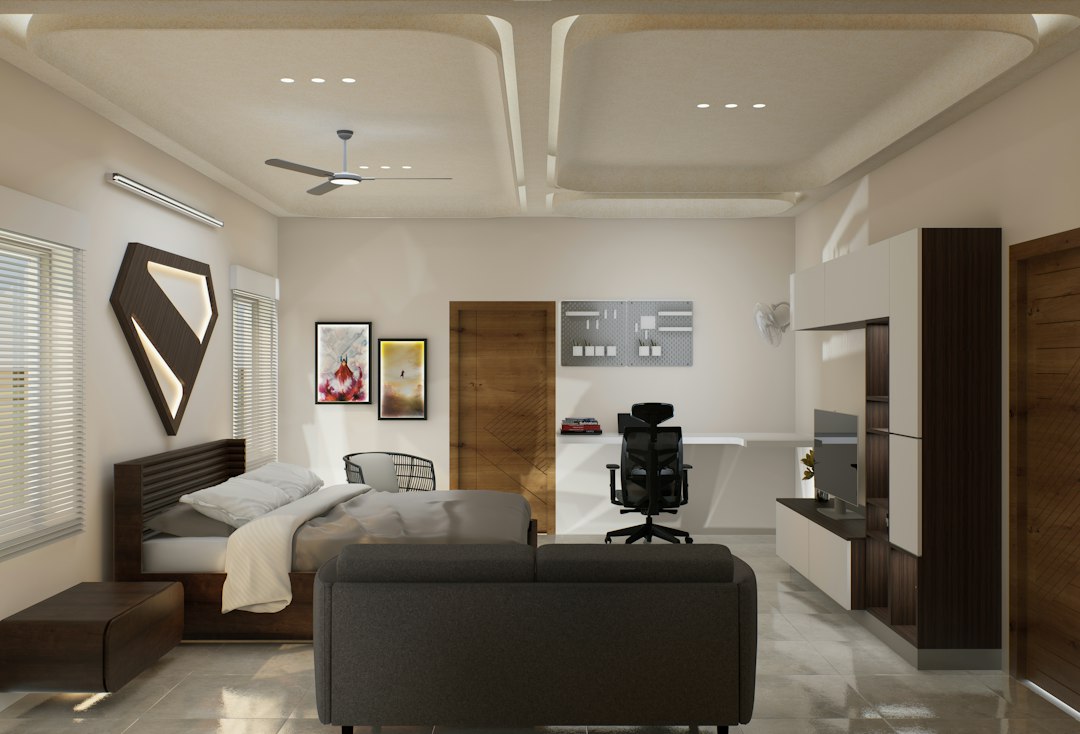
Designing multi-functional spaces in your home is essential for maximizing utility and comfort, especially in today’s world where living spaces are often limited. By creating areas that serve multiple purposes, you can enhance your lifestyle while also promoting sustainability through efficient use of resources. This article will explore practical tips and strategies for designing spaces that are not only functional but also aesthetically pleasing and eco-conscious.
Understanding Your Space
The first step in designing a multi-functional space is to thoroughly understand the dimensions and layout of your area. Take measurements and note the location of windows, doors, and electrical outlets. This information will help you visualize how different elements can fit together harmoniously. Consider how you currently use the space and identify any pain points or areas that could be improved. By addressing these needs, you can create a more efficient and enjoyable environment.
Additionally, think about the flow of movement within the space. A well-designed layout should allow for easy navigation and accessibility. For instance, if you are combining a living area with a workspace, ensure that the desk is positioned in a way that does not obstruct pathways. This consideration not only enhances functionality but also contributes to a more pleasant atmosphere, encouraging productivity and relaxation.
Choosing Versatile Furniture
When it comes to multi-functional spaces, the choice of furniture is crucial. Opt for pieces that can serve multiple purposes, such as a sofa bed or an ottoman with storage. These items not only save space but also reduce the need for additional furniture, which is a more sustainable choice. Look for furniture made from ethically sourced materials and consider certifications like Fair Trade, which ensures that the products are made under fair labor conditions.
Moreover, modular furniture can be a game-changer in multi-functional design. Pieces that can be rearranged or reconfigured allow you to adapt your space to different needs, whether you’re hosting guests or working from home. This flexibility is key to maintaining a functional environment that evolves with your lifestyle, making it easier to accommodate various activities without compromising comfort.
Incorporating Smart Storage Solutions
Effective storage solutions are vital in multi-functional spaces, as they help keep the area organized and clutter-free. Utilize vertical space by installing shelves or cabinets that reach up to the ceiling. This not only maximizes storage but also draws the eye upward, creating an illusion of a larger space. Consider using decorative baskets or boxes to store items neatly while adding a touch of style to your decor.
Another innovative storage solution is to use furniture that doubles as storage, such as coffee tables with hidden compartments or benches that open up to reveal space for blankets and books. By integrating storage into your design, you can maintain a clean and inviting atmosphere, which is essential for both relaxation and productivity.
Enhancing Aesthetics with Design Elements
While functionality is key, aesthetics should not be overlooked in multi-functional spaces. Choose a cohesive color palette that promotes a sense of harmony and calm. Soft, neutral tones can make a space feel larger and more inviting, while pops of color can be introduced through accessories like cushions or artwork. This balance between functionality and beauty is essential for creating an environment that feels both practical and enjoyable.
Incorporating natural elements, such as plants or sustainable materials, can also enhance the overall aesthetic while promoting a healthier indoor environment. Plants not only improve air quality but also add a refreshing touch to your decor. By making eco-conscious choices in your design, you can create a space that reflects your values and contributes positively to the planet.
Final Thoughts on Multi-Functional Design
Designing multi-functional spaces requires careful planning and consideration of your unique needs. By understanding your space, choosing versatile furniture, incorporating smart storage solutions, and enhancing aesthetics, you can create an environment that is both functional and beautiful. Remember that sustainability plays a crucial role in this process; by selecting ethically sourced materials and reducing waste, you contribute to a healthier planet.
Ultimately, a well-designed multi-functional space can significantly improve your quality of life, providing you with the flexibility to adapt to various activities while maintaining a sense of comfort and style. Embrace the challenge of designing your space with intention, and enjoy the benefits of a home that truly meets your needs.