
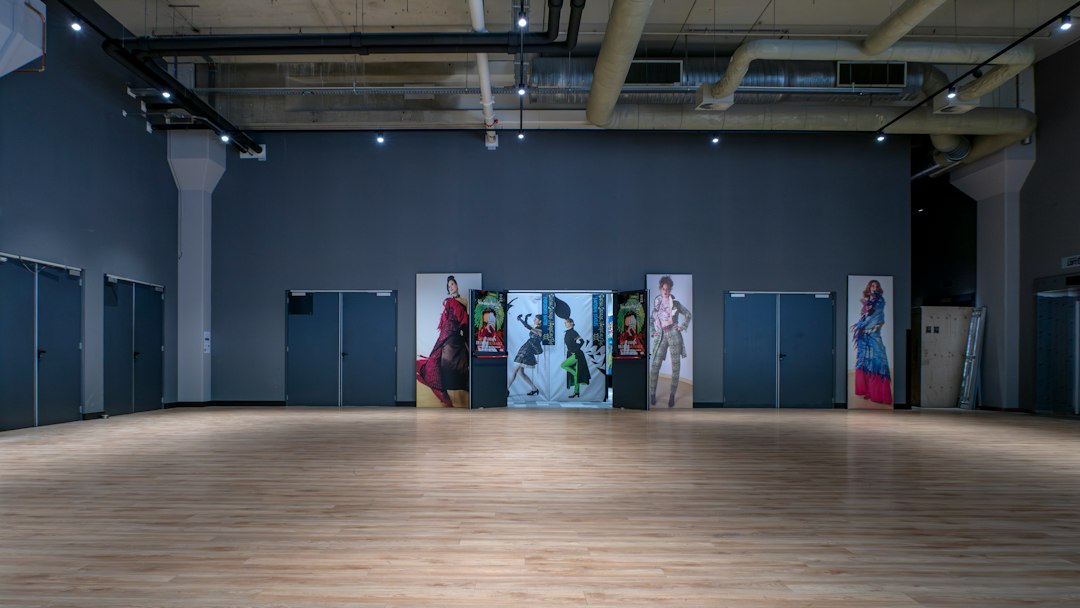
In today’s fast-paced world, effective space planning is crucial for maximizing the functionality and aesthetic appeal of any environment. Whether you are designing a commercial space, optimizing a retail area, or creating a cozy home, understanding the principles of space planning can lead to significant improvements in usability and comfort. This article explores the importance of space planning in modern interior design and how it can transform your spaces into well-organized and inviting areas.
Understanding Space Planning
Space planning is the process of organizing and arranging spaces to achieve a specific purpose while considering the needs of the users. It involves analyzing the available area, determining how it will be used, and creating a layout that enhances flow and accessibility. By prioritizing functionality, space planning ensures that every square foot is utilized effectively, which is especially important in small spaces where every inch counts.
Effective space planning also takes into account the movement patterns of individuals within a space. Understanding how people interact with their environment allows designers to create layouts that facilitate ease of movement and accessibility. This is particularly vital in commercial settings where customer experience can significantly impact business success. A well-planned space can lead to increased customer satisfaction and improved sales.
Benefits of Multi-Purpose Room Planning
Multi-purpose rooms are becoming increasingly popular in both residential and commercial designs. These versatile spaces can serve various functions, from hosting meetings to serving as relaxation areas. Effective planning ensures that these rooms can transition seamlessly between uses without compromising comfort or functionality. By incorporating flexible furniture arrangements and adaptable layouts, you can create a space that meets diverse needs.
Moreover, multi-purpose room planning allows for better resource management. By designing a space that can serve multiple functions, you reduce the need for additional rooms, saving both time and money. This approach not only maximizes the use of available space but also contributes to a more sustainable design by minimizing the environmental impact of construction and renovation.
Furniture Arrangement Consultation
Furniture arrangement is a critical aspect of space planning that can dramatically influence the overall feel of a room. Properly arranged furniture can enhance the flow of a space, making it more inviting and functional. A furniture arrangement consultation can provide valuable insights into how to position your furnishings to create a harmonious environment that meets your specific needs.
During a consultation, experts can assess your space and recommend arrangements that optimize both aesthetics and functionality. They can help you select the right pieces, ensuring that they complement each other while serving their intended purpose. This tailored approach not only improves the usability of your space but also enhances its visual appeal, creating an environment that reflects your personal style.
Retail Space Optimization
In the retail industry, space optimization is essential for maximizing sales and enhancing customer experience. A well-planned retail space can guide customers through the store, encouraging them to explore and make purchases. By strategically placing products and creating inviting displays, retailers can significantly influence buying behavior.
Commercial Space Planning
Commercial space planning is vital for businesses looking to create an efficient and productive work environment. A well-designed office layout can enhance collaboration, improve employee morale, and increase overall productivity. By considering factors such as team dynamics and workflow, businesses can create spaces that support their operational goals.
Effective commercial space planning also involves incorporating elements that promote employee well-being. This can include natural light, ergonomic furniture, and designated areas for relaxation. By prioritizing employee comfort and satisfaction, businesses can foster a positive work culture that ultimately leads to better performance and retention.
Checklist:
To get started on your space planning journey, consider the following checklist: assess your current space, identify your needs and goals, and consult with a space planning expert. By taking these steps, you can ensure that your space is not only functional but also a true reflection of your style and purpose.